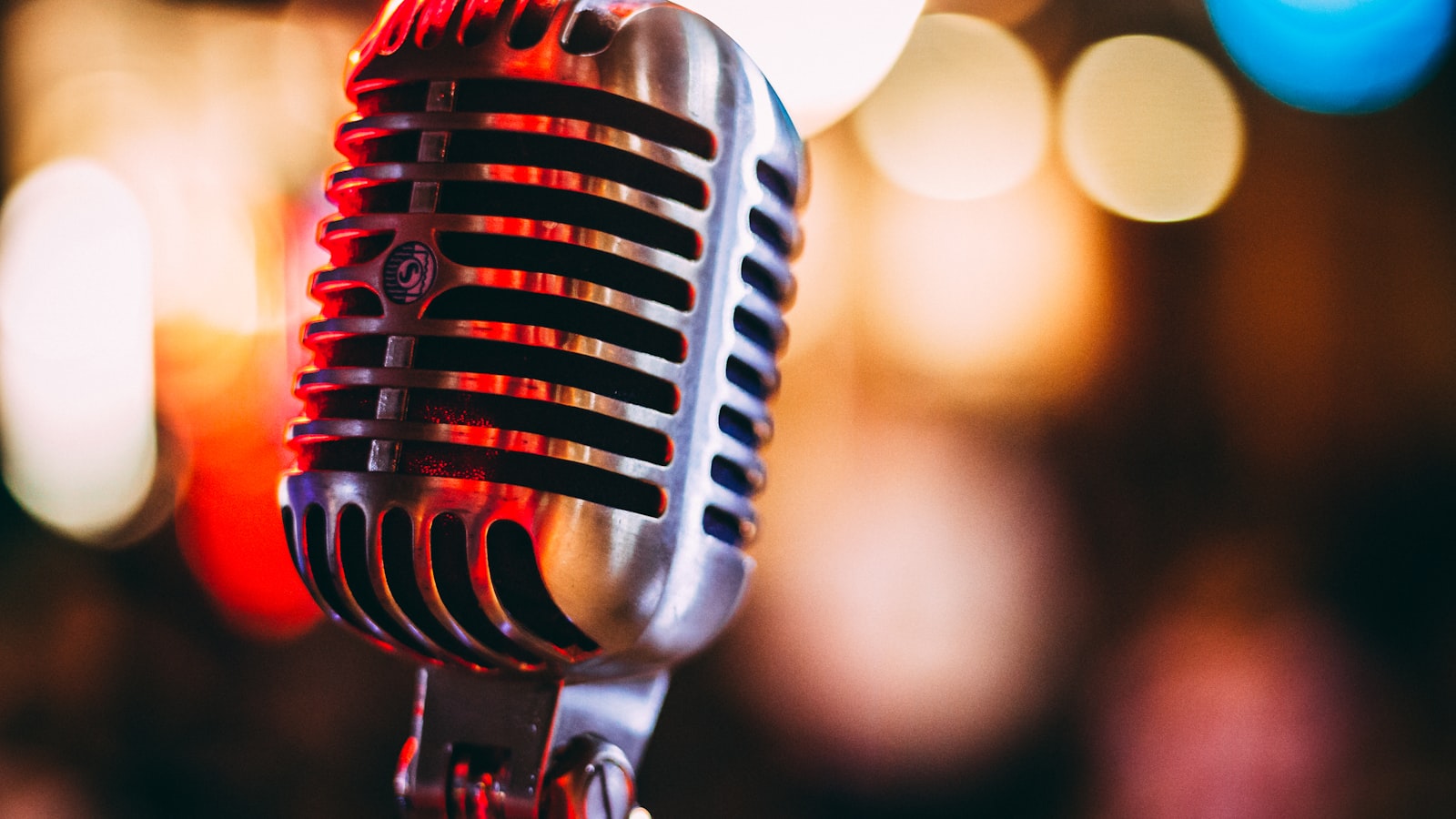
Most of what gets played on a Lindy Hop floor is instrumental. Big band charts, horns, a rhythm section that holds the groove for four minutes at a time. But the tracks that pull a room together, the ones beginners hum on the way home and veterans wait all night for, almost always have a singer on them. A great voice does more than sit on top of the band. It tells the dancers when to move, when to breathe, and, if it is the right voice at the right moment, why they came out to dance in the first place.
What follows is a working DJ's shortlist. Six voices from the swing era that earn their place on almost any Lindy Hop social. Not a ranking. Not a complete list. Just the singers we, and most DJs we have talked to, reach for the most often, with a quick note on where each one fits in a four-hour night.
Why vocalists matter on a Lindy Hop floor
An instrumental track is beautiful, but it asks a lot of a dancer. Without a vocal hook, the floor has to track the music through the bridge, the solos, the drum break. Some dancers love that, and a good DJ will play instrumentals. But a track with a singer gives the room something easier to follow. The verses and choruses are clear. The lyrics tell you when the band is building and when it is calming down.
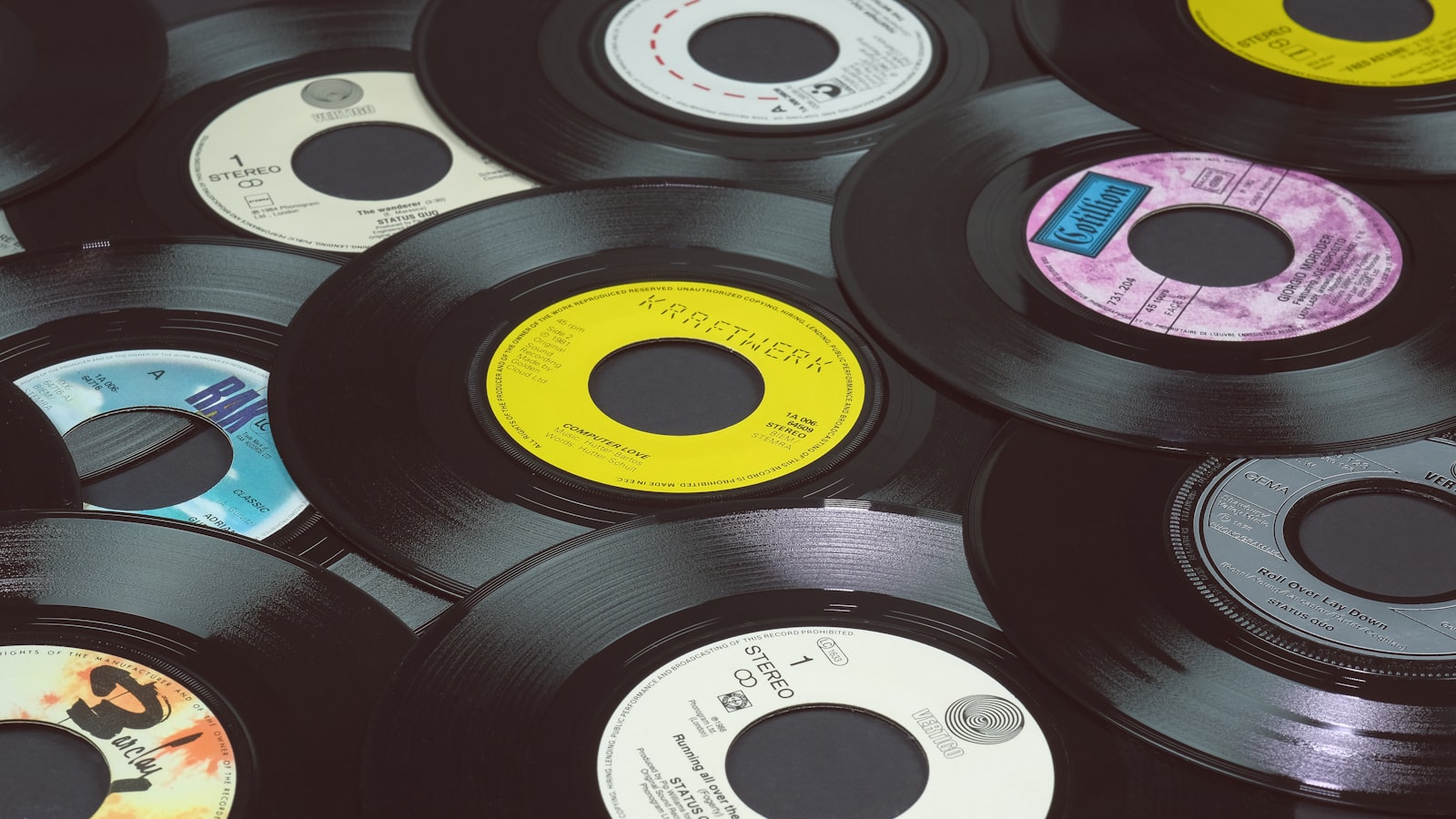
Photo: Eric Krull on Unsplash.
Beginners feel this the most. A first-year dancer can lock onto a sung line in a way they cannot lock onto a clarinet solo, and the dance becomes easier. Experienced dancers feel it differently. A line they know is a cue, a place to land a move, a reason to look up and smile at a partner. Either way, the singer makes the dance bigger.
The other thing voices do is shape the night. Each of the six singers below carries a different weight and a different mood. Knowing which one to play, and when, is most of what programming a swing social actually is.
Ella Fitzgerald: the safe bet
Ella is the easiest yes in any swing crate. From her early work with Chick Webb's band in the late 1930s, through the Decca years, the Verve songbooks, and the live recordings with Count Basie in the 1970s, she covers nearly every tempo a social asks for. Almost no four-hour Lindy Hop night is hurt by three Ella tracks placed at the right times.
What makes her so reliable is her sense of swing. She rides the beat instead of fighting it. Even when she scats, even when the band is at 220 BPM and the trumpets are loud, the time stays clean. New dancers hear the pulse. Experienced dancers play around it. The track does its job.
Where she fits: almost any tempo, almost any moment. Use her early Chick Webb tracks ("A-Tisket A-Tasket," "Undecided," "Stompin' at the Savoy") for medium-fast stretches with a band that pushes. Her Decca and Verve work is smoother and more relaxed, which is great for the warm-up hour or the calm just after the peak.
Billie Holiday: the slow reset
Billie Holiday is not a Lindy Hop singer the way Ella is. Her tempos are slower, her phrasing falls behind the beat, and her recordings tend to be quiet and inward. A whole night of Billie would be a strange Lindy night. But that is exactly why she matters: she is the simplest way to reset the room.
Every good night has a moment when the floor needs to slow down. Three or four mediums in a row, and dancers stop hearing the music. They go on autopilot. A Billie Holiday track, something like "What a Little Moonlight Can Do" at the brighter end or "Easy Living" or "I'll Be Seeing You" at the slower end, lets the room breathe again. Some couples step off for water. Others slow down into a quiet shape that is not quite Lindy and not quite Blues. Both are fine. The point is that the autopilot stops.
Where she fits: planned slow stretches, Blues-leaning Lindy moments, often as a short dip right before you bring the floor back up.
Ivie Anderson: the Ellington warmth
Less famous than Ella or Billie, Ivie Anderson was Duke Ellington's main singer from 1931 to 1942. Those were the years when the Ellington band was arguably the best jazz orchestra in the world. If you have heard the Ellington version of "It Don't Mean a Thing (If It Ain't Got That Swing)" from 1932, you have heard her. That song, with that voice on top, is the manifesto for everything that follows.
Anderson's voice is warmer and lower than Ella's. Her phrasing is casual, almost spoken, and it sits beautifully on top of Ellington's rich arrangements. She sounds like she is leaning on the bandstand instead of performing from it. Her best tracks land in the medium-fast zone where most Lindy Hop floors live.
Where she fits: prime time. When the room is full and warmed up, an Ivie/Ellington track lands almost every time. "I Got It Bad and That Ain't Good" works at slower medium, "I'm Checkin' Out, Goo'm Bye" pushes a touch faster, and the original "It Don't Mean a Thing" still lights up a floor in 2026.
Helen Humes: the Basie groove
Helen Humes sang with Count Basie's band from 1938 to 1941, replacing Billie Holiday. Where Billie had pulled the Basie band toward ballads, Humes met Basie on his own ground: the deep, locked groove of Kansas City swing. She let the band be the band, and rode it.
Her tracks with Basie sit right in the sweet spot of social Lindy. Tempos between 130 and 160 BPM. Lyrics that swing without trying too hard. A rhythm section that does most of the work for you. "Blame It on My Last Affair," "He May Be Your Man (But He Comes to See Me Sometimes)," and "Mound Bayou" are all dance-floor staples. They feel easy, which is exactly what you want when the floor is full and dancers want to dance, not think.
Where she fits: medium peak, second hour or first half of the third. The Basie engine does the lifting, Humes rides it, and the floor follows.
Anita O'Day: late-night cool
Anita O'Day came up through Gene Krupa's band in the early 1940s, and her style is unlike anyone else on this list. She phrased like an instrumentalist. She cut vowels short, rushed or stretched whole bars on instinct, and could carry a fast track that would have flattened a less rhythmic singer. Her cool was real. It was the cool of a working musician who had spent years standing next to drummers.
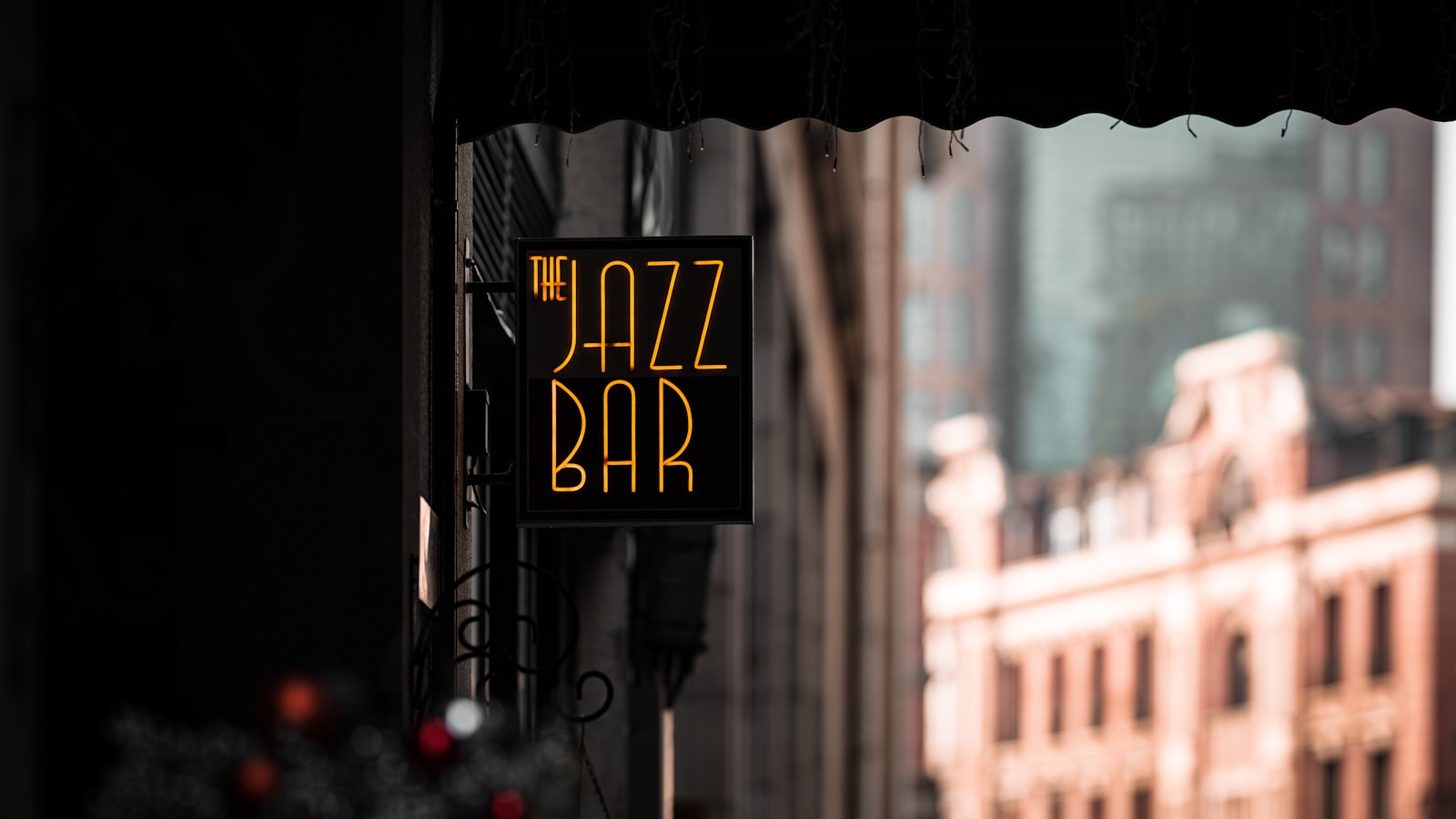
Photo: Declan Sun on Unsplash.
Her Krupa-era recording of "Let Me Off Uptown" from 1941, where Roy Eldridge trades lines with her, is a Lindy classic. It is probably the single track most likely to make a room of intermediate dancers light up. Her later work for Verve in the 1950s and 1960s gave us a stack of fast, witty vocal tracks that DJs still mine. "Sweet Georgia Brown" with O'Day on top is a different animal from any other version.
Where she fits: late, when the energy is already up. Anita does not ease a room in. She shows up to a room that is already going, and she pushes it further.
Jimmy Rushing: the closer
The only male voice on this list, Jimmy Rushing was Count Basie's main singer from 1935 to 1948. His nickname, "Mister Five-by-Five," came from his shape. It also describes the broad, steady weight his voice put on top of every Basie chart.
Rushing's voice is wide, blues-rooted, and unhurried. He is not the singer you play first. He is the one you play near the end, when the floor wants weight more than speed. "Going to Chicago," "Sent for You Yesterday," "Boogie Woogie (I May Be Wrong)," and "Goin' to Chicago Blues" all sit in that last-half-hour space, when the room is starting to think about going home but does not quite want to yet.
Where he fits: the wind-down. Late set, low-medium to medium tempos, when the room wants depth more than speed. Play a Rushing track, and dancers who were about to leave will stay for one more.
Programming the night around the voices
If you were building a four-hour social around these six singers and nothing else (do not, you would want instrumentals and a few other voices, but as a thought experiment), the rough shape would look like this.
First hour, warm-up, medium tempos: lean on early Ella with the Webb band and Helen Humes with Basie. Both hold a steady mid-tempo. Both let beginners settle in. Save Ivie Anderson for later.
Second hour, climb toward peak: Ivie Anderson with Ellington takes the medium-fast slot. Faster Ella tracks from her Webb period (the ones at 200+ BPM) start to lift the room. The floor is full now and ready to climb.
Third hour, peak: Anita O'Day's fast tracks, Ella scatting through "Flying Home" or "Air Mail Special," and any Webb-era track with Ella on top will keep the floor alive. This is the hour when the dance gets sweaty and joyful and a little ridiculous.
Fourth hour, descent and close: a planned Billie Holiday stretch to reset the room, then Helen Humes again to bring the medium back, and finally Jimmy Rushing to send the dancers home with weight rather than speed. Two or three Rushing tracks at the end are worth a dozen tempo experiments earlier.
None of this is fixed. The point is that the six voices are not interchangeable. Each one carries a different weight in the night, and picking the right voice for the right moment is most of what separates a playlist that works from one that just plays.
Beyond the six
This is a starting list, not a closed one. Sarah Vaughan, Lena Horne, Mildred Bailey, Cab Calloway, Louis Jordan, Joe Williams, Dinah Washington, Big Joe Turner, even early Frank Sinatra with the Dorsey band: all have tracks that earn floor time on a Lindy Hop social. The repertoire is huge, and any DJ who plays for long enough will find voices that are not on this page and that work brilliantly for their crowd.
But if you are new to programming a swing social, or you want a vocal lineup that will carry most nights, the six above are where to start. Listen to the Webb band lifting Ella. Listen to Basie's rhythm section laying a road for Helen Humes. Listen to Ellington adding colour around Ivie Anderson. You can hear what these musicians were thinking: every chorus has a body in it. They were writing for dancers. Ninety years later, the dancers are still listening.